
HealthTech, Epidemic Intelligence
Theia
What if a country could see an outbreak coming without testing a single person for it?
Winner'Global COVID-19 Detect and Protect' Innovation Challenge, UN Development Programme
Winner2020 UNDP Global Innovator Award
Introduction
Theia is a national outbreak early-warning system for countries with the least of everything it normally takes to build one: too few health workers, no network to spare, no budget for the testing a wealthier country reaches for first.
The places with the fewest doctors are the places with the least information about where to send them. A thin health service, a patchy network, a population spread across ground no central system can see into: when a disease starts to move through somewhere like that, the capital hears of it last, and by then the outbreak has a head start no one can claw back. COVID-19 made that blind spot everyone's problem at once. The trigger was the pandemic. The gap is permanent. The same missing layer that leaves a country blind to one outbreak leaves it blind to measles, cholera, and the preventable illnesses that move through under-resourced communities every year.
The standard answer is test, trace, and count. All of it assumes money, labs, and a network to carry the data. The systems that needed the answer most had none of the three. Karakoram built Theia on the opposite premise: you do not have to find the sick people to know where the sickness is.
A single fever proves nothing; a child runs hot for a dozen reasons. A whole village running hotter than it did last week proves something a clinic full of guesswork cannot. We called that signal Community Temperature: the moving average of a place, watched for the moment it begins to climb.
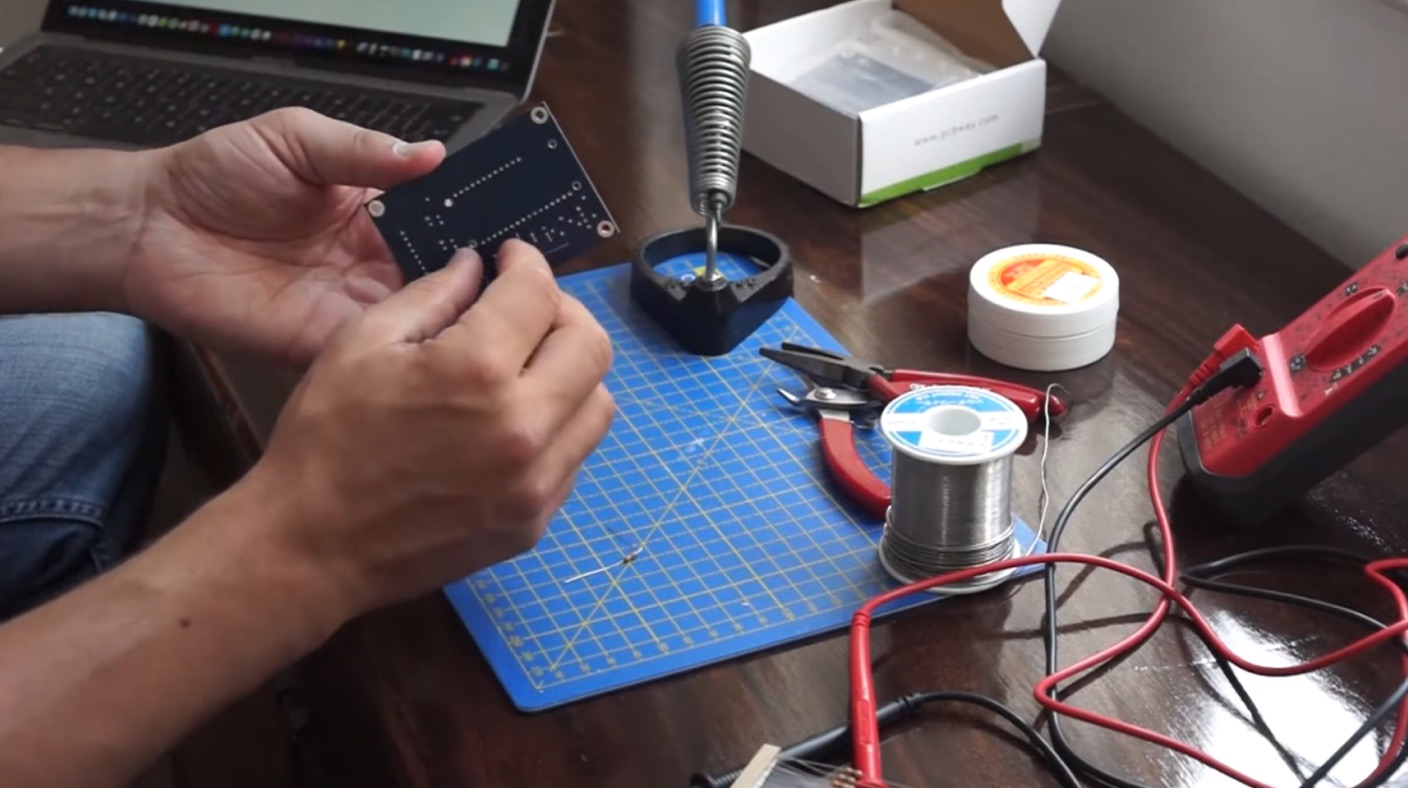
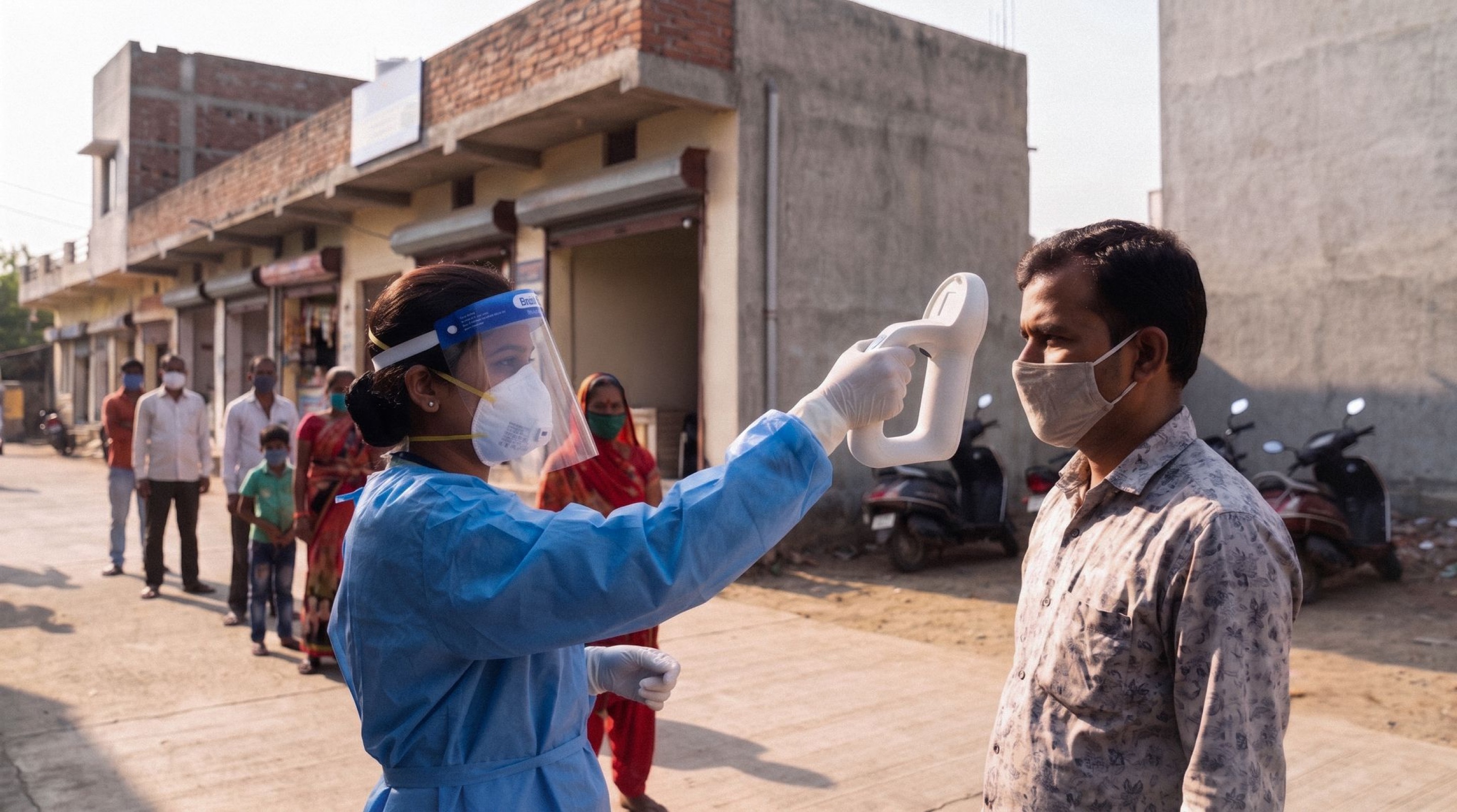
Theia reads it with two cheap pieces of hardware and a radio. Volunteers take contactless temperatures where people already gather, at a school gate or a market, on a thermometer built from common parts and open designs, assembled in the country for little more than the cost of its components. Each reading travels over LoRa, a long-range radio that carries kilometres with no 3G, no 4G, no WiFi, none of the infrastructure that the poorest regions lack. A hub the size of a paperback averages every reading within roughly two kilometres into one Community Temperature and flags it when it trends up. Given any connection at all, it reports to a national dashboard, where the country appears as a field of two-kilometre circles, each one quiet until it is not.
Contactless thermometers are mediocre at the job people buy them for, and we never asked ours to do it. Theia is not a diagnostic. It is a detection layer, and it grows steadier the more readings reach it, because a population average is harder to fool than any single point. The thermometer was never the product. The map was.
The Theia Thermometer
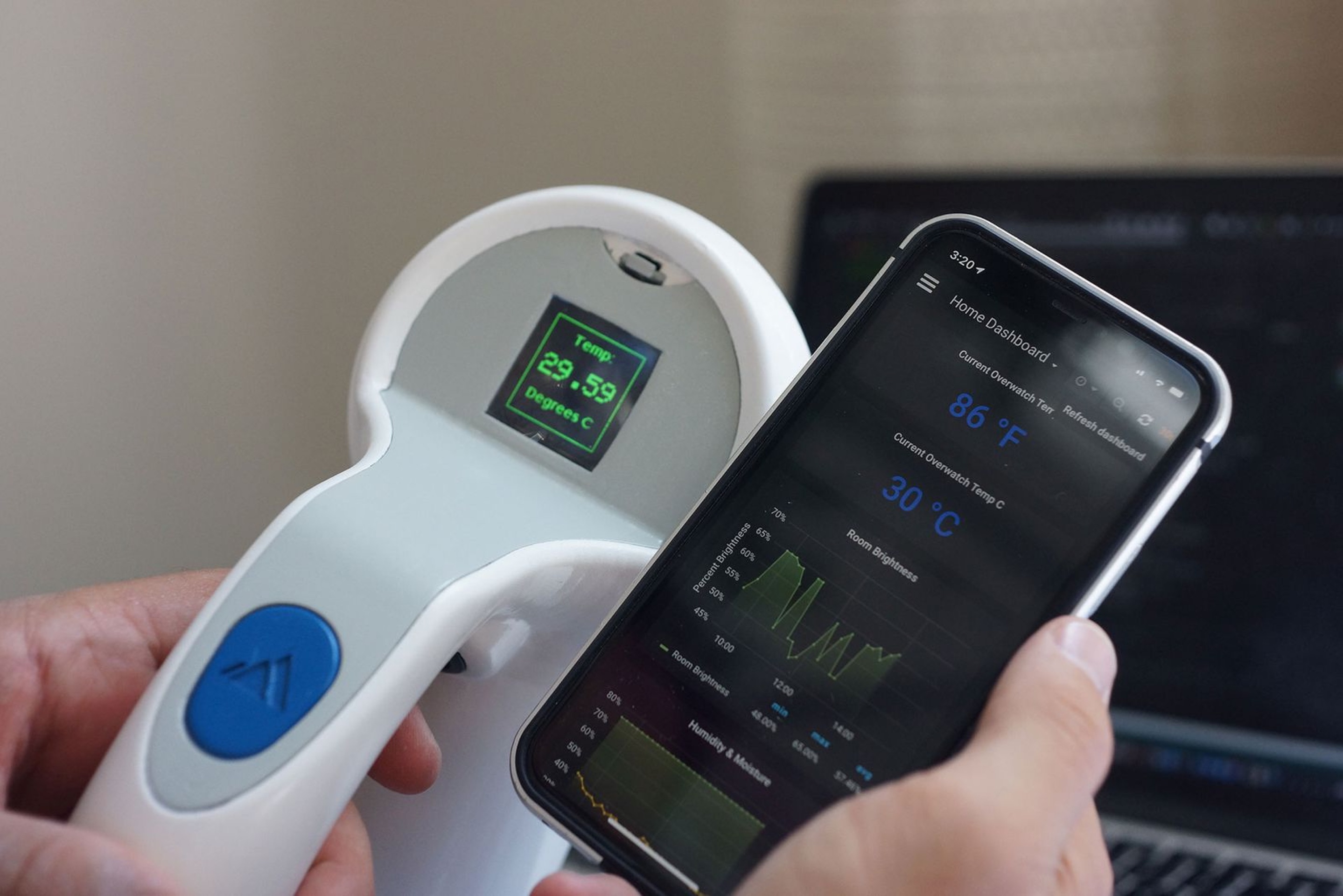
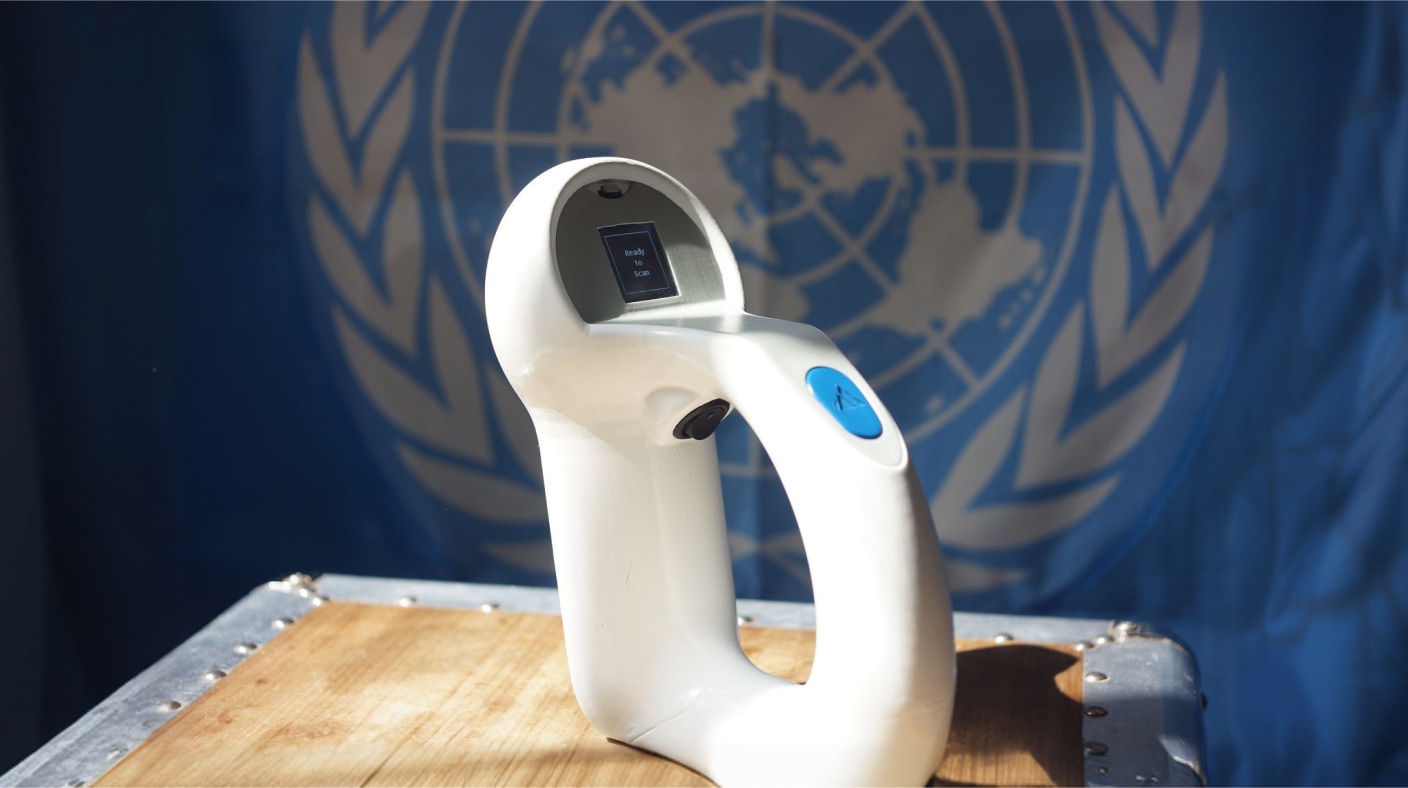
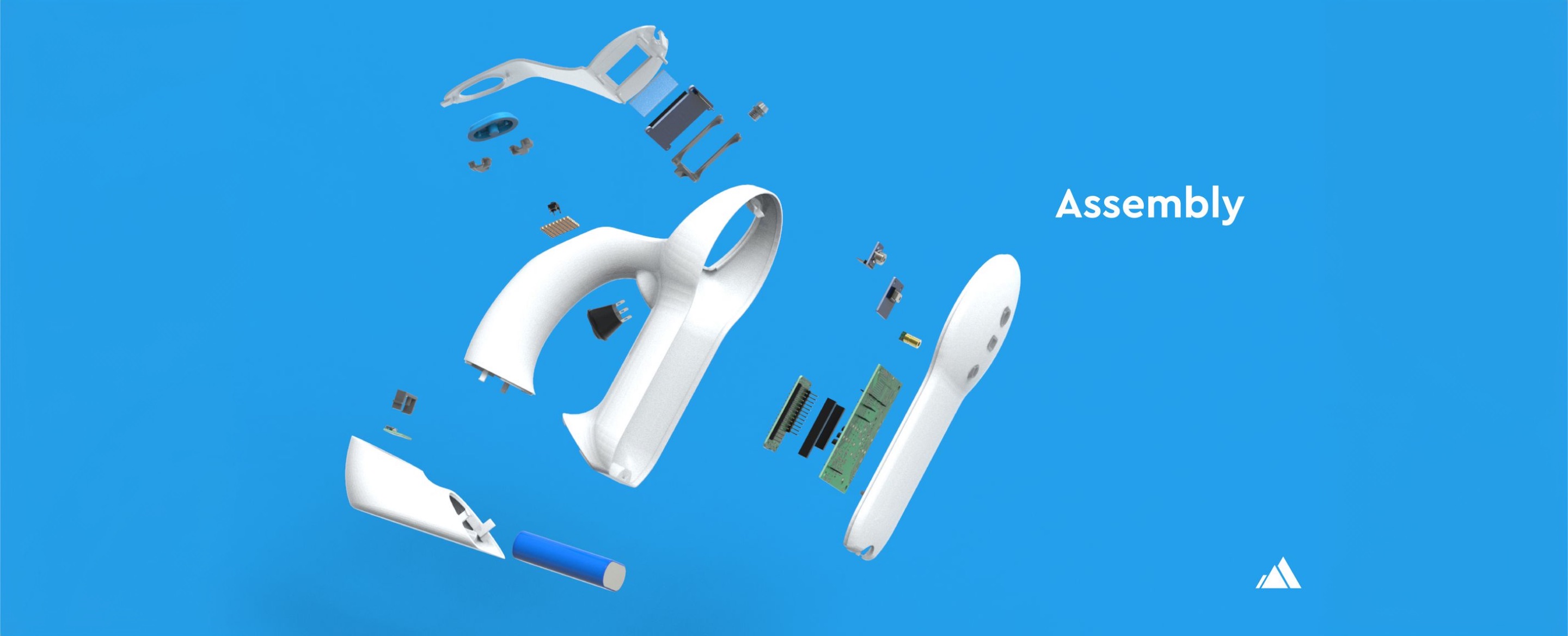
A low-cost, fully open-source contactless thermometer, designed from the ground up: industrial design, mechanical engineering, custom electronics and PCBs. It takes anonymous body-temperature readings and transmits them over an embedded LoRa radio, with a 2km range and 14-16 hours of battery life.
The important decision was not the device. It was how it got built. The thermometer clips together without screws or glue. No specialist tools. No imported components that might never arrive. It can be assembled on the ground, in the country that will use it, by people who did not design it. A device that depends on a supply chain the country does not control fails to appear. So we removed the dependency.
The Theia Hub
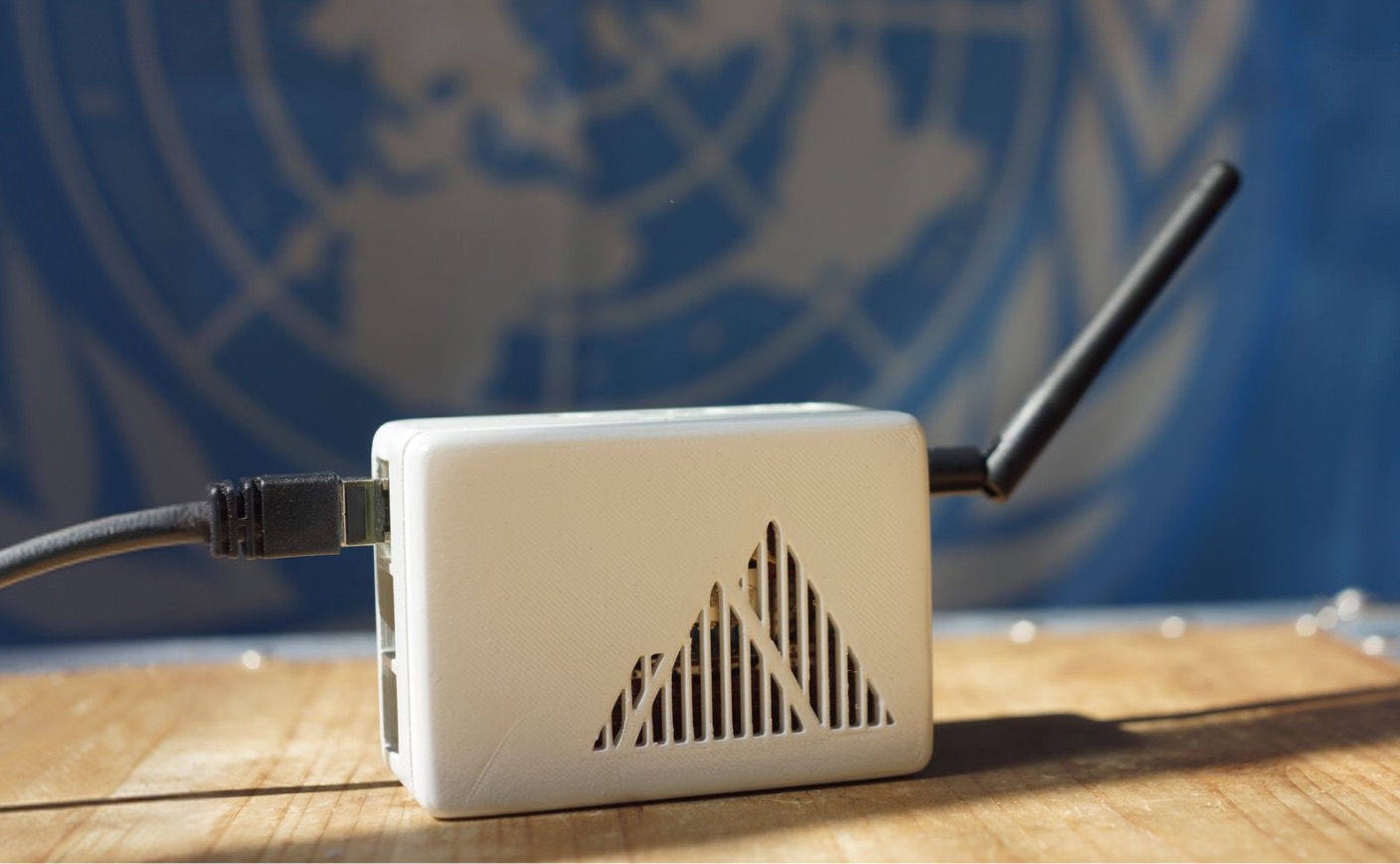
A self-contained data collection station that listens for transmissions from any Theia Thermometer within a 2km radius, writes anonymous temperature data to a self-hosted database, and serves a local web front-end for health workers. No internet connection required. No cloud infrastructure that might be unreachable or unaffordable.
The Data Model
The signal is not the individual. It is the pattern.
One person's temperature tells you almost nothing. A thousand people moving together tells you where to send help. Theia's dashboard monitors Community Temperature shifts across each two-kilometre cell and flags national health services when a threshold is crossed, before individual cases pile up at a clinic door.
Impact
Institutional backing
Deployed with funding and support by the United Nations Development Programme Fund (UNDP) and the UNICEF Innovation Venture Fund
Open by design
Fully open source: V1 code, PCB, and CAD files published on Hackster.io
Global footprint
Distributed freely to 80+ countries and built locally in Vietnam, India, Lebanon, and Cambodia
Selected from a global field, Theia proved the hard part: a country with almost no health infrastructure could be handed a live view of where outbreaks were building, built from parts it could source and assemble itself. First deployments: Vietnam, India, Lebanon, and Cambodia.
We made it open on purpose. The goal was never to own the solution. It was to put it in the hands of the countries that needed it most, free of licensing cost and proprietary dependency.
That is the work Karakoram sets out to do: take a problem the field has written off as too hard or too unprofitable, and build something real against it, fast. Sometimes the answer becomes a company. Sometimes the most useful thing we can do is prove it can be done, and give it away.
Continue exploring
Dual Use, Cybersecurity
Deniable
What ifbeing forced to unlock your phone was no longer the moment everything fell apart?

Agriculture Technology
Pastoral
What ifthe future of food wasn't a ration from a vat, but a burger from a cow? Real meat, real dairy, real animals, net-zero. Hamburgers and milkshakes, minus the dystopia and minus the guilt.