
PeaceTech, Civic Data
Social Cohesion Data Engine & Visualiser
What if a peacebuilding team could see communal tension shifting in days, not read about it in a survey three months later?
The Challenge
Danmission has been doing peacebuilding work for two centuries. For most of that time, the sector has measured impact the same way: surveys collected months after the fact, reports that take quarters to produce, and qualitative assessments that are hard to act on quickly. In Lebanon, where communal relations can shift in days, that lag is the difference between an intervention that works and one that arrives too late.
Danmission came to Karakoram with a specific ambition: to build a platform that could measure coexistence and peacefulness in Lebanon in near real time, so their teams could see the effects of their programmes as they happened and adapt while it still mattered. The engagement ran for twelve months. Lebanon was closed throughout, with extremely limited access for the team at Karakoram.


The Constraints
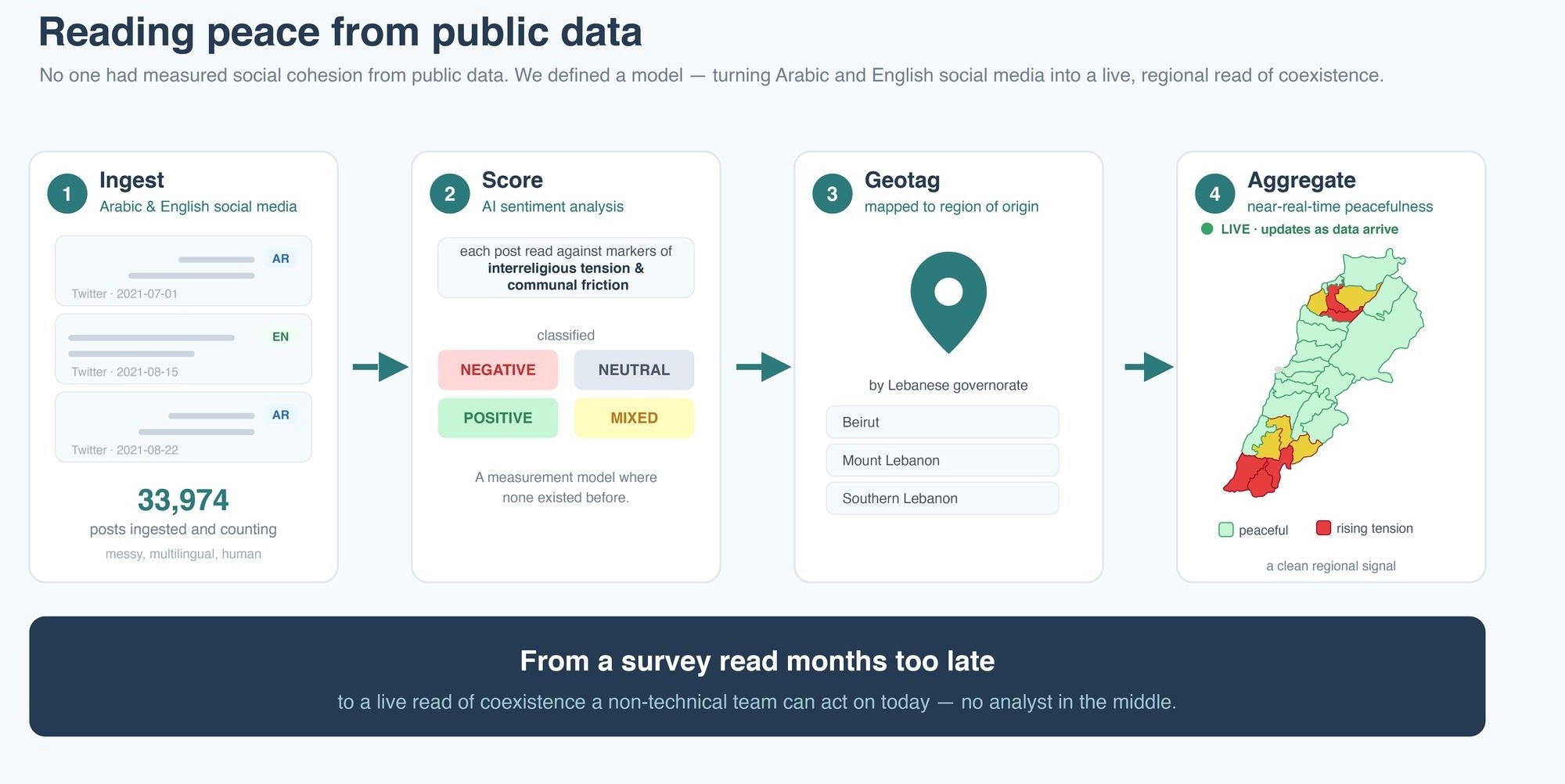
No one had built a data model for peacefulness. There was no agreed way to measure something as human as social cohesion from public data. Before writing any code, we had to define one: what signals existed, what could be read from Arabic and English social media, and what an aid worker in the field could actually act on.
What We Built
Research Before Code
Before writing a line of code, we conducted structured remote user research with Danmission's regional team and local stakeholders in Lebanon. We mapped three things: what signals were actually available, what teams would genuinely act on, and what level of detail was both achievable and meaningful. That research set the boundaries for everything we built after it. It is how we make sure the thing we ship delivers value, rather than just function.
A New Data Ingestion Model
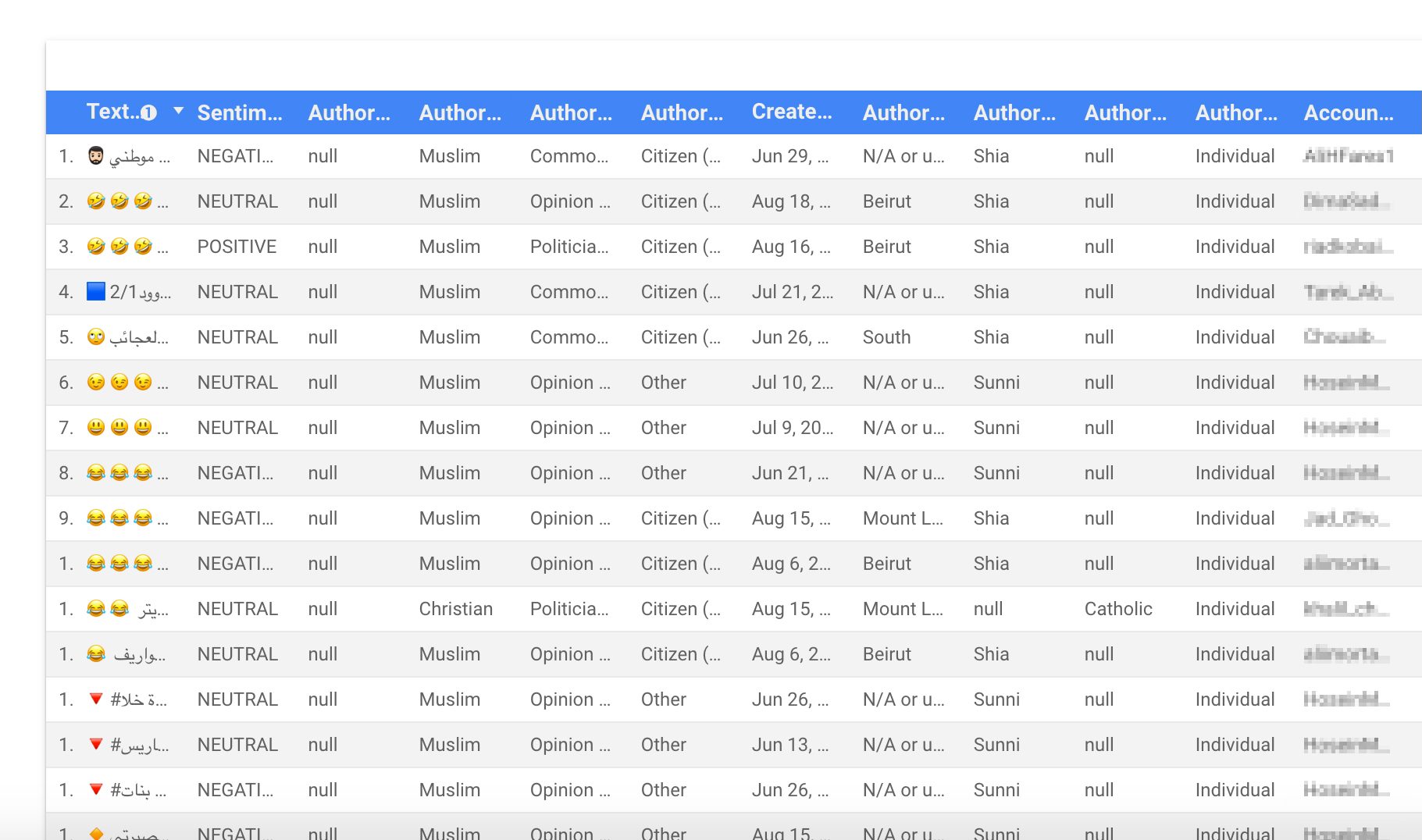
We designed and built an ingestion tool that reads Arabic and English social media as a proxy for communal sentiment, scores posts against markers tied to interreligious tension and communal friction, and maps them to their geographic region of origin. The tool aggregates and interprets these signals into a self-hosted analytics platform.
"Danmission has been working with peacebuilding and social cohesion for decades, but in cooperation with Karakoram we now have a unique opportunity to explore innovative methods and technical solutions to better create sustainable impact for people around the world."
The Dashboard
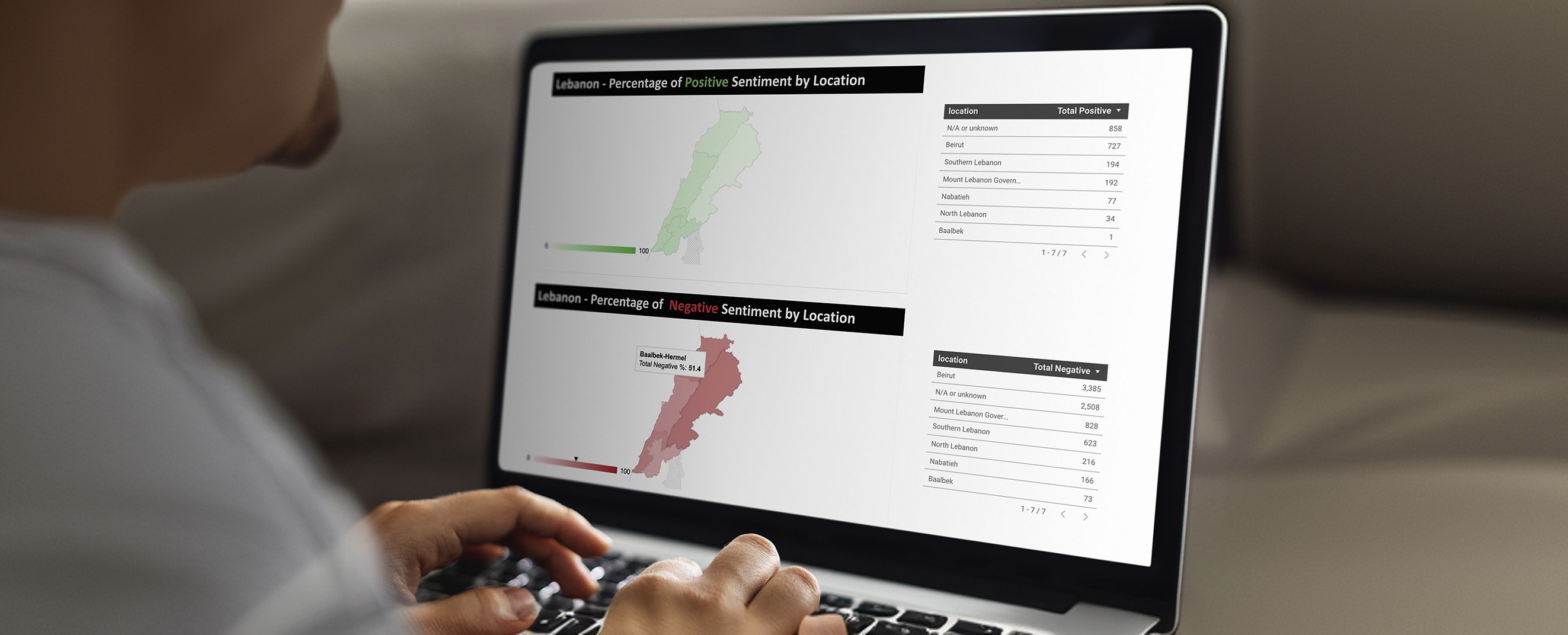
The result is a near-real-time view of peacefulness and coexistence across Lebanon, mapped geographically and updated as new data arrive. Aid workers with no data-science background can read and act on it directly. No analyst required to sit between the data and the decision.
The Outcome
A near-real-time data layer for peacefulness and coexistence across Lebanon. Programme teams can see where coexistence is trending downward, watch the effect of their work in real time rather than a quarter later, and direct resources to where the signal indicates they are needed most.
For the first time, Danmission could watch a programme's effect in real time, not read about it after it ended. That shift, from measuring the past to reading the present, is the real outcome.
That is the work Karakoram sets out to do: take a problem the development sector treats as unmeasurable, define what can be measured, and build something a non-technical team can use without an analyst in the middle.
Continue exploring
JobTech, TalentTech
TrabajaYa
What ifa blue-collar worker could find the right job, and an employer the right hire among hundreds of thousands, in a single message?

SportsTech, Athlete Platforms
VLT Gymnastics
What ifa gymnastics career didn't end the day the NCAA stops counting it?
Tech-for-Good, MigTech
Plataforma de Identidad Digital
What ifa refugee could prove who they are and unlock government services, without their full identity living on a government server?
HumTech, Digital Identity
Humanitarian Passport
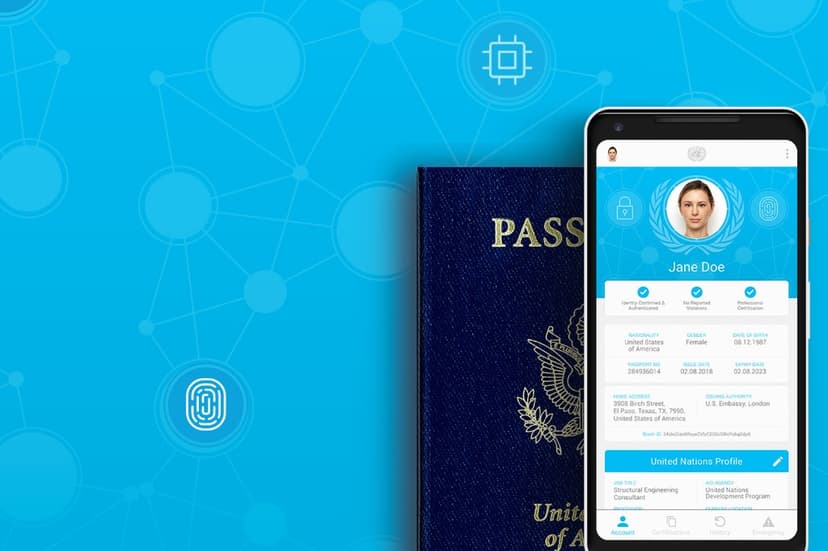
What ifan aid worker’s history could follow them across borders, and a host country could verify it at the checkpoint, offline, without trusting any single NGO?
MediaTech, AutoTech
IM Media Project
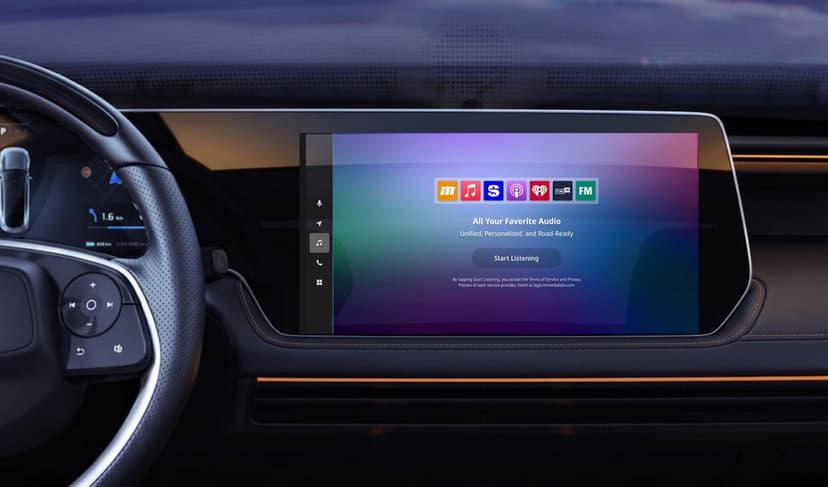
What ifanyone could program a radio station like a seasoned music director just by describing it?